
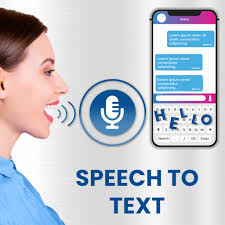
Revolutionizing Communication: The Power of Voice Transcription Tools
In today’s fast-paced world, the ability to convert spoken language into written text has become increasingly important. Voice transcription tools have emerged as a vital resource for individuals and organizations alike, streamlining communication, enhancing productivity, and making documentation processes more efficient. One such excellent solution is the voice transcription tool offline speech to text app, which provides users with the ability to transcribe their speech without needing an internet connection.
Understanding Voice Transcription Tools
Voice transcription tools utilize advanced technology, including artificial intelligence and machine learning, to convert spoken language into text. These tools can recognize and interpret human speech, eliminating the need for manual transcription. They have applications in various fields, including business, education, healthcare, and media, reflecting their versatility and effectiveness.
The Benefits of Using Voice Transcription Tools
1. Increased Efficiency
One of the most significant advantages of voice transcription tools is their ability to increase efficiency. Typing out notes from meetings, lectures, or interviews can be time-consuming. By using voice transcription, users can quickly capture their thoughts and ideas without the cumbersome task of writing them down. This speed allows for more time to focus on what matters most, whether it’s preparing for a presentation or conducting research.
2. Enhanced Accuracy
Modern voice transcription tools employ sophisticated algorithms designed to improve accuracy over time. Many tools can recognize different accents, languages, and dialects, making them accessible to a broader audience. As these systems learn from previous transcriptions, they continue to enhance their precision, leading to fewer errors in the final text output.
3. Affordability
With the rise of voice transcription technologies, many affordable tools have become available. While traditional transcription services can be costly, especially for businesses requiring regular support, voice transcription tools provide a budget-friendly alternative. Users can either purchase software or subscribe to a service, often saving a substantial amount compared to hiring a professional transcriber.
Applications of Voice Transcription Tools
Voice transcription tools find utility in numerous scenarios:
1. Business Meetings

In the corporate world, documenting meetings and calls is crucial. Voice transcription tools enable businesses to record and transcribe discussions accurately, ensuring everyone is on the same page. This is particularly helpful for remote teams, allowing members who couldn’t attend to stay informed through written records.
2. Education
Students and educators benefit greatly from voice transcription. Teachers can create transcripts of lectures for students who may struggle with note-taking, while students can use the tools to capture lectures verbatim, ensuring they don’t miss critical information. Additionally, these transcripts can be utilized for study purposes, allowing for easier review and comprehension of complex topics.
3. Healthcare
In the healthcare sector, voice transcription is revolutionizing patient documentation. Healthcare professionals can dictate patient notes directly into their systems, reducing paperwork and increasing time spent with patients. This not only streamlines the process but also enhances the quality of care.
4. Media and Content Creation
Content creators often use voice transcription tools to streamline their workflow. Whether it’s turning interviews into articles or converting podcast recordings into show notes, transcription tools help save time and effort in generating written content.
Choosing the Right Voice Transcription Tool
When selecting a voice transcription tool, users should consider several factors:
1. Accuracy
Choose a tool known for high accuracy in transcription. Look for reviews or trials to test the performance and check how well it handles different accents and speaking styles.
2. Usability
The interface should be user-friendly, allowing users without technical expertise to navigate easily. A simple setup process is also essential for quick and efficient use.
3. Features
Some tools offer additional features such as editing capabilities, integration with other applications, and support for multiple languages. Assess your specific needs to determine which features are essential for your use case.

4. Pricing
Evaluate the pricing structure of various tools. Some may offer free versions with limited functionality, while others require a subscription. Choose a tool that provides good value for the features it delivers in accordance with your budget.
Challenges and Limitations
Despite their many advantages, voice transcription tools do come with some challenges:
1. Background Noise
Transcribing in a noisy environment can hinder accuracy. While many tools are designed to filter out background sounds, their effectiveness can vary based on the level of noise present during recording.
2. Misunderstood Context
AI-driven transcription tools may struggle with nuances in language, such as idioms or jargon specific to a particular field. This can lead to misinterpretations or errors in the transcription.
3. Privacy Concerns
Some users may have concerns about privacy, particularly when using cloud-based services that store recordings. Opting for offline tools can alleviate some of these worries, allowing users to keep their data secure.
The Future of Voice Transcription
The landscape of voice transcription is continually evolving. Advancements in AI and machine learning are expected to improve the accuracy and efficiency of transcripts significantly. Features like real-time transcription, multi-speaker recognition, and context-aware understanding will become more commonplace, enhancing the overall user experience.
The increasing demand for voice-to-text solutions signifies a shift in how we communicate and document information. As these tools become more integrated into our daily lives, we will likely see further innovations that will change the way we interact with technology.
Conclusion
Voice transcription tools have undoubtedly transformed communication across various sectors. Their ability to improve efficiency, accuracy, and accessibility offers numerous benefits for individuals and organizations alike. By embracing these tools, businesses can streamline processes, students can enhance their learning experience, and professionals can improve their documentation methods. As technology continues to advance, the potential for voice transcription tools is limitless, paving the way for a more interconnected and efficient future.